
National Study of Abuse of Older People released
29
October
2026
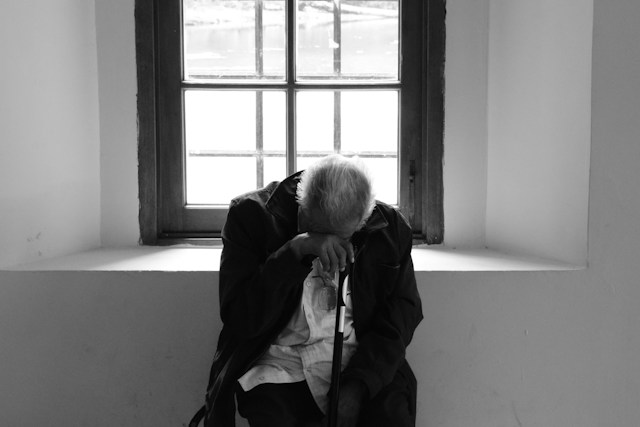


The National Study of Abuse of Older People (AOP) has been released by the NZ Policy Research Institute and Auckland University of Technology. This research project combined a prevalence survey, administrative data analysis, qualitative interviews, financial sector research and economic modelling. It provides the most comprehensive evidence summary to date on the scale, nature, impacts, and costs of AOP in Aotearoa. It was commissioned by the Ministry of Social Development (MSD) as part of its Prevention of Abuse of Older People work programme, with the National Study undertaken in 2024 and 2025.
As detailed in the Summary Report, the project’s key findings include:
- One in six older people experience abuse each year, but the prevalence of abuse varies across groups
- Administrative data only captures the most severe cases of abuse, mainly physical assaults that result in contact with police, hospitals, or ACC
- Aged residence care is a major evidence gap that current data sources do not adequately capture
- Abuse has lifelong impacts and intergenerational roots
- Gaps in legal safeguards enable financial abuse
- The economic cost of AOP is $1.78 billion NZD each year
- Preventing AOP is a social responsibility and generating public awareness is crucial to challenging abuse and underlying ageism
- Recommendations centre on prevention, equity, and stronger systems of oversight and safeguarding
The authors of the study, writing for the Conversation, said:
“As New Zealand’s population ages, addressing abuse of older people is essential. Recognising harm is only part of the response. We also need to address the gaps in our systems that allow it to continue.”
The study includes ten key reports:
- Overall synthesis report, summarising the key findings from all parts of the project (this report).
- Disability synthesis report, summarising key findings about AOP among disabled older people.
- Survey findings report, presenting results from the Prevalence survey on the abuse of older people in Aotearoa New Zealand.
- Survey methodology report.
- Survey thresholds report, a supplementary report to the main Prevalence Survey Report that presents research into the application of AOP thresholds to the survey data.
- Main Evidence from the Integrated Data Infrastructure (IDI) report, detailing analysis of AOP among those living in the community using administrative and NZCVS data from the IDI.
- Supplementary IDI report on AOP among those in assisted residential care (ARC).
- Qualitative interviews report, presenting findings from qualitative interviews with victim-survivors undertaken across four groups: Māori, Pacific, NZ European and disabled older people.
- Financial institutions report, presenting system-level insights on financial AOP from qualitative interviews with finance industry and legal professionals and supplemented with other information gathered from financial institutions.
- Economic and social costs report, presenting research into the economic and social costs of AOP in NZ.
A link to all 10 reports can be found here. Alternatively, you can access these resources under the population-based research section of Vine's Knowledge Hub.
Report on Rainbow older people
Waipapa Taumata Rau | the University of Auckland alongside Hohou te Rongo Kahukura – Outing Violence have released Prevention of the abuse of Takatāpui and Rainbow older people | Kia oraora ngā puāwai i te puhikaioreore, ka ū te kanorau ki te kāuru katoa. This report sits within MSD’s wider AOP project, focusing on the prevention of abuse of Takatāpui and Rainbow older people, including different forms of physical, sexual, financial, psychological, cultural and spiritual harm, and neglect.
Findings in this report draw from:
- A comprehensive review of international and national research literature
- A review of the current New Zealand AOP system and policy context, and a thematic analysis of how this addresses the needs of Takatāpui and Rainbow older people
- An exploration of the differences between diverse groups within Takatāpui and Rainbow communities via 10 community expert interviews.
Key messages at a glance
- Takatāpui and Rainbow older people were nearly twice as likely as the general older population to report experiencing harm in the last 12 months, due to the compounding effects of discrimination, marginalisation, and exclusion over time.
- Financial harm (14% cf 3.8%), cultural and spiritual harm (12.8% cf 3%), and physical harm (10.1% cf 2.6%) were all experienced at four times the rates of the general older population.
- AOP is also layered over higher lifetime rates of partner violence and sexual violence for Takatāpui and Rainbow communities.
- Takatāpui and Rainbow older people experience specific identity-based harm in healthcare, aged residential care (ARC), and social services.
- Family rejection, estrangement, and lack of acceptance is common.
- Cumulative minority stress is a significant barrier to help-seeking.
- Takatāpui and Rainbow older people need inclusive, culturally specific, and competent support.
- Takatāpui and Rainbow older people are often unacknowledged in key AOP systems, strategy, and policy documents.
- Specific, tailored AOP services and resources must be developed for Takatāpui and Rainbow older people.
- There is an urgent need for systemic change to improve the prevention and response to the abuse of Takatāpui and Rainbow older people.
In a media release with Gay Express, Ana Tashkoff, Kaiārahi Rangahau Takatāpui at Hohou Te Rongo Kahukura said:
“Between Rainbow community groups being mostly focused on rangatahi and tamariki, and older person’s services being mostly focused on straight, non-trans older people, our Takatāpui and Rainbow kaumātua are missing out on the care they need.”
Sandra Dickson, Tauiwi Research Lead for Hohou Te Rongo Kahukura, also said:
“Our older people are being forced back into the closet, or never getting the chance to leave it. There is an urgent need for systemic changes to make sure Takatāpui and Rainbow older people can age with dignity, and be safer in healthcare, aged-residential care and social services.”
He Koiora Matapopore – violence against older people
A report - Exploratory analysis of violence against older people as recorded in He Koiora Matapopore | the 2019 New Zealand Family Violence Study - presents an exploratory analysis of violence against older people as recorded in the New Zealand Family Violence Study | He Koiora Matapopore. He Koiora Matapopore is the second specialised study of the prevalence and consequences of violence exposure in Aotearoa New Zealand. The purpose of this report is to improve understandings of the abuse of older people in Aotearoa New Zealand by re-analysing the dataset from He Koiora Matapopore.
Related research and resources
Aotearoa
Te Aka Matua o te Ture | Law Commission published their review of the Protection of Personal and Property Rights Act 1988 (PPPR Act), which is the key piece of legislation that deals with adult decision-making capacity in Aotearoa. This report contains 175 recommendations to better protect and promote the equality, dignity and autonomy of adults with affected decision making, including the repeal and replacement of the Act.
This study explored Māori experiences and expectations of health and social care within assisted residential care (ARC). It groups findings under three themes: Māori look after our own, expectations of a high-quality clinical care environment, and home environment aspirations.
This research, undertaken by researchers at Victoria University of Wellington, outlines critical insights into how abuse of older people (AOP) is perceived, understood and recognized within the Chinese community in Aotearoa. It notes prevalence of violence against older Chinese New Zealanders is likely underestimated due to cultural and social barriers. See the authors’ press release, here.
Uplifting Takatāpui and Rainbow elder voices: tukua kia tū takitahi ngā whetū o te rangi (2023)
This report from Hohou te Rongo Kahukura and Rainbow Hub Waikato examines what life is like for Takatāpui and Rainbow elders in Aotearoa. It also considers how best to advocate for the meaningful inclusion of the needs of Takatāpui and Rainbow older people in strategies, policies and services for older people in Aotearoa, and to identify any specific risks of elder abuse, neglect and exploitation.
Hauora Kaumātua: a review essay on kaumātua wellbeing (2022)
This review essay examines the current state of knowledge and the progress made over recent years in achieving kaumātua health and wellbeing. It considers the methodological and theoretical approaches that have been developed to understand the social and environmental contexts of older Māori and argues for approaches that centre the kaumātua voice in addressing the persistent inequities in Māori health outcomes.
International
This National Plan from the Australian government builds on the important foundations and progress made under the first National Plan to Respond to the Abuse of Older Australians (Elder Abuse) 2019–2023. The second National Plan’s vision is for all older people to:
- be safe, valued, heard and respected
- have their rights protected and promoted
- live free from abuse and mistreatment.
Inquiry into elder abuse in Queensland (2025)
At the end of 2024, the Queensland Parliament's Education, Arts and Communities Committee was entrusted with the task of investigating the topic of elder abuse in Queensland. This report presents a summary of the committee’s inquiry. The committee’s task was to consider the nature and extent of elder abuse, the effectiveness and cohesiveness of responses to elder abuse, and opportunities to improve responses to elder abuse in Queensland within the government, broader community, non-government, and private sectors.
Rights Have No Expiry Date: The Case for Action on Violence Against Older Women (2026)
This resource from UN's Spotlight Initiative notes that older women are among the most overlooked groups in global efforts to eliminate violence against women and girls. They are often left in an institutional vacuum — absent from data, absent from policy, and unable to access essential services. This Spotlight Initiative brief makes the case for urgent, targeted action to address these gaps, while elevating older women as important agents of community change.
Related news and resources




Subscribe to our pānui and our news and events mailing lists
Never miss an update! Receive the latest news and event information directly to your inbox.