
He pitopito kōrero
News




News stories
Misogyny is a common theme across different forms of violent extremism and attitudes that normalise and excuse violence against women are the single strongest attitudinal predictor of violent extremism.
- With changing digital norms, online environments are amplifying extremist attitudes.
- Extremist misogynistic beliefs often intertwine with other beliefs including racism, anti-government conspiracy theories, anti-immigrant and anti-LGBTIQ+ beliefs.
- Violence against women and girls online is negatively impacting their participation in public life, which threatens their full democratic participation.
- Suggested pathways for addressing the issue include both prevention and intervention efforts, such as strengthening global frameworks to recognise misogyny as a driver of extremism, challenging harmful gender norms, and intervening directly with men and boys online and offline.
New report on misogyny, online radicalisation, and youth extremism released
A new report has been released by the University of Melbourne that details the findings of an Australian government-funded research project into misogyny and youth radicalisation. Misogyny, online radicalisation, and youth extremism in Australia, authored by Sara Meger, examines the extent to which Australian adolescents and adults hold and endorse misogynistic attitudes, attitudes permissive of violence against women, and violent extremist attitudes.
Based on a survey of 1122 young people aged between 13-17 years, of all genders, and of 2307 adults, of all genders, in October-November 2025, this report concludes:
“…Misogyny is not a peripheral or incidental feature of violent extremism in Australia, but a central, crosscutting predictor of extremist orientations across the full ideological spectrum – from incel ideology and religious extremism to white supremacy and right-wing politics. Attitudes that normalise and excuse violence against women (VAW) are the single strongest attitudinal predictor of violent extremism, exceeding the predictive power of all measured online behavioural variables.”
Challenges the report identifies:
- A concerning proportion of adolescent boys and girls express misogynistic attitudes and attitudes permissive of violence against women.
- Roughly 1/3 of teenaged boys express misogynistic attitudes, mistrust of women, and a belief in ‘traditional’ gender roles.
- Teenaged boys are the most likely in our sample to agree with a range of violent extremist attitudes, with over 26% agreeing with right-wing extremist attitudes and 27% agreeing with white supremacist attitudes.
- 30-35% of boys and men of all ages express the belief that gender equality measures have gone too far; 24- 29% believe that feminism is a hate movement.
- Gen Z and Millennial male respondents and Gen Z female respondents are the most likely to agree with all forms of violent extremist attitudes.
- Particular online environments are more likely to produce both problematic gender attitudes and attitudes supportive of violent extremism, but not the ones we typically assume. These are: online dating; pornography use; and engagement with ‘manfluencers’.
Key findings:
- Misogyny is a robust, crosscutting predictor of violent extremism
- Violence against women (VAW) attitudes are the dominant, proximal predictor of extremism
- Online environments amplify but do not create extremist orientation
- Teachers are at the front line of dealing with these problems in real time.
What drives misogynistic violent extremism
A report from Promundo-US, Masculinities and Preventing Violent Extremism: Making the Connections, uses an ecological model to reframe the gender norms that influence men’s and boys’ actions and shape their vulnerabilities with regard to violent extremism:
- At the individual level – men’s harmful attitudes, history of intimate partner violence (IPV), gender socialization, work-life trajectories, and religious beliefs.
- At the family and community level – men’s childhood experiences, including parental involvement and the intergenerational transmission of violence, as well as their social networks and emotional connectedness as adults, and any family members or peers who are involved in violent extremism.
- At the structural level – men’s lack of economic opportunities, and their perception of loss or “failed masculinity” tied to a sense of economic or job entitlement, as well as political grievances, and the militarization of society (i.e., when military or police forces become key societal institutions, highly present, visible, and influential in the community, often to the point of shaping the population’s daily interactions).
In a 2024, Vine released a previous news story on online misogyny and violent extremism. It highlighted Te Mana Whakaatu | the Classification Office’s report Online Misogyny and Violent Extremism: Understanding the Landscape (2024). It found that:
- New trends in extremist beliefs are emerging, particularly among boys and young men. These include individuals adopting mixed and unstable beliefs as well as some who are not tied to any specific ideology but are drawn solely to violence itself.
- Algorithms amplify misogynistic and extremist content, making it easier for vulnerable people to encounter and possibly adopt more extreme ideologies.
- Girls and women are more likely to experience online violence including more severe violence and gender-based violence, and this spans a continuum across online and offline violence.
- Gendered disinformation is increasing with significant impacts to girls and women in leadership including journalists, political leaders and public figures
- Extremist misogynistic beliefs often intertwine with other beliefs including racism, anti-government conspiracy theories, anti-immigrant and anti-LGBTIQ+ beliefs
In 2024, a resource was developed by the Institute for Strategic Dialogue (ISD) with support from the New Zealand Department for Prime Minister and Cabinet and the Department of Internal Affairs, Positive online intervention playbook: innovating responses to a shifting online extremist landscape in New Zealand. It highlights the need to integrate counter-extremism work within broader violence prevention strategies, such as efforts to tackle domestic violence, as misogyny is a common factor across different forms of extremism.
Links between misogyny, violent extremism, and white supremacy
In 2026, ANROWS released An introductory guide to the manosphere and the impacts for young people, teachers and schools, which discusses the strong links between misogynistic ideologies and men’s use of violent extremism. It gives examples of high-profile incidents of misogynistic extremism carried out by men who identified as belonging to manosphere communities. It also highlights how some forms of misogynistic ideologies are also underpinned by racism and white supremacy:
“Some communities and influencers in the manosphere also promote white supremacist and nationalist beliefs and conspiracy theories that encourage racist violence and discrimination against people of colour, including First Nations peoples and migrant communities. For example, some beliefs portray white men and boys as victims of both feminism and multiculturalism, promote racist myths about men of colour as being lesser than white men and encourage white heterosexual couples to reproduce and “save” the “white race”.”
UN Women’s report, Engaging men, ending violence: pathways to safer digital futures, also highlights:
“There is growing evidence of cross-pollination between the manosphere and the alt-right, underpinned by a shared narrative that white male identity is under siege by feminism, globalization, and multiculturalism.”
In Aotearoa, Te Tari Taiwhenua | Department of Internal Affairs found in their 2025 Transparency Report on Digital Violence Extremism that they received 656 website link referrals containing potentially objectionable terrorist and violent extremist content (TVEC). 42% of these were then classified as objectionable, with 32% of all referrals related to the Christchurch terrorist attack. 50% of all referrals were associated with identity-moved violent extremism, specifically “white-identity” extremism (89% of this category).
The cooling effect on women’s participation online and in public life
In early 2026, Vine released a news story on the escalation of online violence against women in the public sphere where we discuss how attacks against women are now spilling offline, affecting women’s safety, well-being, and ability to participate freely in public debate. Two key publications we highlight in this article include:
This qualitative study explores the experiences and impacts of harassment among female Members of Parliament (MPs) in New Zealand. It analyses four key themes in the abuse MPs, their staff, and their families face and links these to wider challenges for democracy and representation.
Tipping point: The chilling escalation of online violence against women in the public sphere (2025)
The brief draws on a global multilingual survey of women human rights defenders, activists, and journalists in 119 countries and finds urgent responsive measures are needed to address the very real risk of physical harm to women caused by online violence.
Strategies to address misogynistic violent extremism
UN Women’s report, Engaging men, ending violence: pathways to safer digital futures, suggests different interventions to help break this cycle, including:
- Employing targeted online advertising to counter harmful ideologies by redirecting users searching for harmful content to credible alternatives
- Addressing technology-facilitated violence against women by disrupting common tools of online abuse e.g. hashing non-consensual intimate images
- Targeting online roots of abuse and reshaping gendered behaviour in digital spaces by providing young men with specialised support through behaviour-change techniques, community support, addiction-recovery and others
- Strengthening global frameworks to address the issue, e.g., include explicit criteria for incel-related activities and GBV in extremist detection systems, recognizing the continuum between online and offline threats and technology’s role in spreading misogynistic ideology
- Requiring technology companies to explicitly address misogyny and content normalizing VAWG within their hate speech and extremist content policies and codes of conduct.
In a report by the Australian Strategic Policy Institute (ASPI), Incels in Australia: The ideology, the threat, and a way forward, the authors make recommendations designed to reduce and, where possible, prevent the risk of future occurrence of incel and similar violence in Australia. Recommendations include:
- Formally recognising ideologically motivated misogynistic violence as subject to terrorism laws
- Including gendered violence as hate speech
- Developing and implementing preventative community education programs
- Adopting misogynistic-incel intervention programs modelled after violent extremism deradicalisation
- Develop alternative, healthy online environments for men
Promundo-US’s report, Masculinities and Preventing Violent Extremism: Making the Connections, makes recommendations to prevent and counter misogynistic violent extremism, including:
- Recognize that gender norms influence vulnerability to violent extremism, and that challenging harmful gender norms directly is key to PVE
- Understand that violent extremism is one form on a continuum of violence and that masculine norms contribute to multiple forms of violence
- Building on the success of psychosocial support models for individuals who have witnessed or experienced violence, provide spaces for youth – particularly young men – to gather and reflect on their own experiences of violence, learn healthy coping mechanisms, and challenge their long-held negative gender attitudes
- Move away from military actions against specific groups, which can often act as “trigger points.” Experiences of injustice, discrimination, corruption, and abuse by security forces act as drivers for violent extremist group recruitment
Bibliography and new Vine Quick Topic Search
2025 transparency report: digital violent extremism report, Department of Internal Affairs (2026)
An introductory guide to the manosphere and the impacts for young people, teachers and schools, ANROWS (2026)
Engaging men, ending violence: pathways to safer digital futures, UN Women (2026)
Incels in Australia: The ideology, the threat, and a way forward, Australian Strategic Policy Institute (2023)
Masculinities and Preventing Violent Extremism: Making the Connections, Promundo-US (2020)
Misogyny, online radicalisation, and youth extremism in Australia, University of Melbourne (2026)
Misogyny, racism, and threats to our families: a qualitative study of harassment of female politicians, Watson et. al. (2025)
Online Misogyny and Violent Extremism: Understanding the Landscape, Classification Office (2024)
Positive online intervention playbook: innovating responses to a shifting online extremist landscape in New Zealand, Institute for Strategic Dialogue (2024)
Tipping point: The chilling escalation of online violence against women in the public sphere, UN Women (2025)
For more research and reports on the links between misogyny and extremism check out the new Quick Topic search in our Vine Library - ‘Misogyny and extremism’. You can find the list by going to our Quick Topic section and expanding the section labelled ‘Types of violence’.
Related media
MP exposes online abuse as attacks on female politicians escalate, Stuff, 29.09.2026
Misogynistic views are biggest red flag for violent extremism, report finds, ABC, 25.08.2026
Radicalisation of NZ teen a ticket to world of online violence, RNZ, 22.03.2026
Inside the everyday Facebook networks where far-right ideas grow, The Guardian, 28.09.2025
What is online ‘misogynist radicalisation’ and should parents be worried?, NZ Herald, 24.07.2024
Following the retirement of our wonderful Information Specialist superstar Gay Richards, we are delighted to introduce Branka Bogdan who is stepping into the role.

In Branka’s words:
“Kia ora koutou, I’m Branka and I’m delighted to be Vine’s new Information Specialist. I have a background across the community and academic sectors, both here in Aotearoa and in Australia, and have spent much of my career researching and writing about women’s rights and their experiences of reproductive care and health. I’m passionate about making information accessible and believe that good information can be empowering. My role at Vine brings together this passion with my professional background in a way that feels like a really natural fit.
A little about me. I was born and raised in Serbia and have spent the last three decades living between Aotearoa and Australia. Outside of work, I’m happiest spending time outdoors, camping with my family, hiking and exploring places where there’s very little phone reception. I’m also very fond of food. I love baking and cooking for people, and sharing food with friends and family is probably one of my favourite ways of spending time with them.”
In her role as Information Specialist, Branka manages the Vine library and online database, maintains our Knowledge Hub, and serves as the key point of contact for information about family violence and sexual violence. You can reach out to Branka if you would like help finding specific research or information at info@vine.org.nz.

The state of government-funded community-based interventions for people who use family violence or sexual violence in Aotearoa New Zealand has been reviewed in a report released by the Centre for Family Violence and Sexual Violence Prevention. Government agencies including the Ministry of Social Development, Ministry of Justice, Department of Corrections, Oranga Tamariki, and the NZ Police undertook the review. Further findings are made in a report by the Backbone Collective, which examines victim-survivors’ experiences of, and insights about, abusers’ engagements in stopping violence programmes. The two reports highlight that:
- Stopping violence programmes must genuinely hold abusers to account long-term for the harm they cause, as defined by victim-survivors
- The safety of victim-survivors and their children are paramount in stopping-violence interventions
- Interventions must respond to both family violence and sexual violence appropriately
- Kaupapa Māori services are essential for safe, appropriate, and effective engagement and healing for Māori
- The specialist stopping-violence workforce needs ongoing support, training, funding, growth, and coordination
Backbone Collective Report – Just Ticking the Box
In May 2026, the Backbone Collective released their report, Just ticking the box: victim-survivor insights into the uses and abuses of stopping-violence programmes in Aotearoa New Zealand. It aims to fill the existing knowledge gap in current evaluations of stopping violence programmes (SVPs) throughout Aotearoa. Existing SVP models largely use recidivism (as identified by the police or courts) and abuser self-reporting as measures of efficacy, despite the unreliable and potentially misleading nature of these measures.
Backbone Collective co-founder Deborah Mackenzie told Stuff that the research revealed an uncomfortable paradox:
“Abusers were actually benefiting from being referred to these programmes far more than victim-survivors were benefiting in terms of their safety.”
Family violence researcher Dr Neville Robertson said that women-centred evaluations of stopping violence programmes were rare:
“And that is the gold standard, as far as I’m concerned.”
The report gathered anonymous online survey responses from 471 women and gender-diverse survivors (22% were Māori) throughout Aotearoa. 172 reported they had an abuser who attended an SVP (the “SVP cohort”). SVP cohort respondents were asked about their experiences of, and insights about, their abusers attending SVPs and the consequences. All respondents were asked about their ideas, hopes and suggestions for behaviour-change/stopping-violence activities.
Key statistics:
- Over 70% of the SVP cohort reported abuser behaviour deteriorated in at least one aspect, during the SVP or up to three months afterwards
- At least half the SVP cohort experienced worse violence and/or abuse overall from the abuser during the same period
- Only seven victim-survivors (4%) said that the abuser had sustained positive behaviour change across all their prior abuse types until at least one year after the SVP, and SVP was only one of many supportive factors the victim-survivor credited for behaviour change
- Only 20% of victim-survivors reported SVP providers attempted to contact them, and even fewer were offered safe, informed opportunities for any communication, interaction or information exchange with SVP providers, despite the potential value of such communication for both safety and accountability
- At least eight out of ten survey respondents felt they were unsafe during abuser SVP attendance and up to one year or more afterwards
- Six out of ten (61%) victim-survivors reported they would not recommend the programme the abuser attended to others because of perceived ineffectiveness, the ability of abusers to manipulate programmes and systems, and structural weaknesses in programme design (a further 27% did not know whether they would recommend the programme)
- In over 90% of cases where the survey respondent reported that the Family Court, criminal court, Oranga Tamariki or police considered the abuser to no longer be a danger, the victim-survivor found them to still be dangerous.
Victim-survivors envision a stopping-violence intervention system that:
- Prioritises the safety and autonomy of victim-survivors, including children;
- Genuinely holds abusers to account for the harm they cause
- Supports behaviour change on a long-term basis, with effective monitoring to ensure behaviour change is sustained and victim-survivors are safe
- Includes influencing societal attitudes to support non-violence and to no longer minimise or ignore violence and abuse towards women, trans and non-binary people and children.
Three particular themes identified across Māori survey responses:
- Accountability is important, including truth, change, consequences, and repair. Victim-survivors continuously spoke of receiving performative apologies without sustained behavioural change; they wanted genuine apology; and the need for reparations and other formal and informal consequences.
- Safety requires information sovereignty. Victim-survivors require control over what data is collected about them, who sees it, and when/if it’s shared. This must be a core safety practice, not a paperwork detail.
- The need to design programmes with tino rangatiratanga (self-determination), culture and context. Kaupapa Māori, marae-based delivery, and holistic models (e.g. Te Whare Tapa Whā) were repeatedly requested, alongside practical supports like transport, childcare, and financial relief.
Alongside the Backbone Collective’s online survey, Papakāinga Trust carried out wānanga and talanoa with Māori and Pacific women. Dr Daysha Tonumaipe’a, who led the Trust’s work (and is also an author for the Backbone Collective's report), said that their findings were similar and stopping violence programmes often offered “the illusion of compliance”.
“The general feeling and experience was they [programme participants] are just getting better at the language… The biggest message we’ve had is that accountability should be based on safety, and not completion of these programmes.”
Papakāinga Trust's full report can be found here: Beyond the tick-box: Wāhine Māori and Pasifica women's experiences of stopping-violence programmes in Aotearoa New Zealand.
Government – Strengthening the Stopping Violence System
The Ministry of Social Development, Ministry of Justice, Department of Corrections, Oranga Tamariki, and the NZ Police have undertaken a review of government-funded, community-based interventions for people who use family violence and/ or sexual violence in Aotearoa. Their subsequent report, Strengthening the Stopping Violence System, is part of the Stopping Violence focus area under Te Aorerekura. It provides analysis of the findings of the review and offers recommendations for government organisations to improve how we design, fund, commission, and support interventions for people who use violence.
The review was informed by:
- Relevant government agency information about in-scope interventions
- Targeted engagement with approximately 40 stakeholder groups from both government agencies and the community sector across family violence and sexual violence sector
- A feedback survey in which 121 participants responded to 23 questions
- Advice and feedback from the Stopping Violence Reference Group, comprised of non-government stakeholders
- The Backbone Collective Survey on victim/survivor experiences of stopping violence interventions
- Key findings from recent integrity monitoring by Corrections of a sample of NVPs
- Key literature and research on interventions for people using violence.
The report made findings about key success factors likely to increase intervention effectiveness. These findings were grouped across several areas – safe and effective interventions; system capability, alignment, and sustainability; and system issues and barriers. Some of those conclusions include:
- The safety of victim/survivors and children should be prioritised within any intervention for people who use violence
- Interventions must be responsive and appropriate to variations between sexual violence and family violence, including when these co-occur
- Kaupapa Māori approaches are essential for safe, appropriate, and effective engagement and healing for Māori, with improved access
- The specialist workforce must be trained, supported, sustainable, and growing
- Clearly defined, measurable outcomes must be put in place that can help determine the effectiveness of interventions over time
- System-level issues highlight the need for a more coordinated, consistent, and evidence-informed approach across government.
The report makes 5 recommendations:
- Formalise a stopping violence leadership group
- Agree a stopping violence work programme
- Strengthen and grow kaupapa Māori services
- Build workforce capacity and capability
- Focus on prevention and early intervention
Related research and resources
The role of men's behaviour change programs in addressing men's use of domestic, family and sexual violence: an evidence brief, ANROWS (2025)
This evidence brief provides a summary of the literature on men’s behaviour change programs (MBCPs) and contributes to building a shared understanding of their role in addressing domestic, family and sexual violence in Australia.
A Mana Tāne Echo of Hope: dispelling the illusion of whānau violence - Taitokerau Tāne Māori speak out, Amokura Family Violence Prevention Consortium (2009)
This research project explores how tāne Māori become and remain free of whanau violence and documents Māori men’s aspirations for whanau oranga. It includes a literature review, discussion of the interrelated components of Māori wellbeing, key thematic learnings, a summary of factors that maintain and generate violence in the home, and seven proposed facilitators of change.
Willing, capable and confident: men masculinities and the prevention of violence against women. Exploring the Man Box 2024, Respect Victoria (2024)
This report is part of The Man Box 2024 study, led in partnership by Jesuit Social Services and Respect Victoria, that examines the attitudes and behaviours of Australian men aged 18 to 45. It measures agreement with and experience of Man Box ‘rules’ – harmful stereotypes about what it means to be a man.
Effective practice in violence prevention education with boys and young men, Michael Flood (2024)
This report examines violence prevention education with boys and young men. Exploring how best to work with boys and young men in classrooms and other face-to-face settings, it identifies six standards for best practice in this work.
Related media
The $24m 'illusion' of programmes to stop family violence, Stuff, 15.06.2026
WATCH: Do stopping-violence programmes work?, Stuff, 14.06.2026
Domestic violence groups slam 'dangerous' Man Up programme, RNZ, 24.02.2025
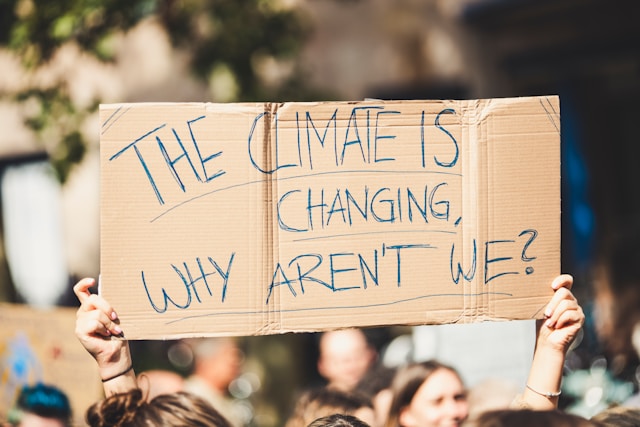
As climate change worsens, gender-based violence also worsens. Climate change multiplies the risks and impacts of gender-based violence in the following ways:
- Climate change creates hardship, including poverty, displacement, and disruption of services, which disproportionately affects women and girls.
- Hardship and other multipliers of risk can intensify the social drivers of violence, worsening existing gender inequalities and amplifying the marginalisation and discrimination women and girls face.
- Colonisation, especially systemic dispossession of Māori land, exacerbates the risks Māori face as a result of climate change.
- During disasters, women and girls face gender-based risks, including but not limited to early or forced marriage, exploitation and human trafficking, higher likelihood of death or injury, poverty, and disruption of gynaecological healthcare.
- Women, girls, and Māori are often excluded from decision-making processes that respond to climate change, which deprives them of critical safety mechanisms.
- Women and girls who are visible in public capacities responding to climate change and gender-based violence face increased backlash, including human rights defenders.
What are the links between gender-based violence and climate change?
This News Story examines the growing body of evidence that climate change increases the severity of violence and the number of women and girls experiencing that violence. While climate change does not directly cause gender-based violence, extreme weather events and global warming can lead to economic instability, damaged infrastructure, food insecurity, ruptured social ties, deepening fragility and conflict, and water scarcity.
When these impacts intersect with a societal background of inequitable power dynamics, discrimination and harmful gender norms, they can exacerbate violence against women and girls. In turn, these impacts affect women and girls’ ability to adapt or recover from climate-induced emergencies and disproportionately risks their livelihoods.
Natural disasters and the humanitarian emergencies they generate are expected to continue to rise, leading to enormous displacement. Many displacements from natural disasters also happen in conflict-affected settings, underscoring the importance of improving humanitarian capacity to meet both kinds of emergency demand.
Why are women and girls disproportionately affected by climate change?
Systemic reviews confirm that women and girls face increased gender-based violence during disasters, emergencies, and extreme weather events. Risk factors that women and girls face for gender-based violence include unequal social norms, gender inequalities, increased life stressors, law enforcement failures, migration, and exposure to high-risk environments. Extreme events also potentially increase reporting of existing gender-based violence.
Women and girls are much more likely to die during climate-related disasters than men, with some possible explanations including lower access to resources, care responsibilities, gendered poverty, and gender discrimination during relief efforts. Women also face unique risks from heat stress brought on by anthropogenic climate change. Areas where women face significant social and economic discrimination see the greatest impacts on women’s comparative vulnerability in disasters – that is, in settings where women have more social and economic means and agency, the disaster mortality rates for men and women are roughly the same.
Women and girls also face an increase in gender-based violence during infectious disease outbreaks, which are becoming more prevalent due to climate change, urbanisation, and changes in land use. Violence against women and girls was exacerbated during Covid-19 by movement restrictions that meant they could not as easily avoid abusive family members, could not access social services, and faced heightened financial insecurity.
What risks do women and girls face during climate disasters and other emergencies?
During climate disasters and other emergencies women face increased risk of violence including rape, sexual assault, female genital mutilation, honour killings, human trafficking, and early or forced marriage. The physical, mental, and social consequences of this violence are profound, and can include injury, death, trauma, mental health issues, substance dependency, poverty, pregnancy, miscarriage, and abortion among others.
Some evidence suggests that communities under stress may adopt more conservative or customary patriarchal practices. Climate disasters can contribute to community conflict over resources and increased violent behaviour by men, including gender-based violence. Women and girls face a variety of risks, including:
- They may not be seen as responsive to domestic demands of male family members, particularly if men lose their jobs, increasing their exposure to IPV
- They may have to walk great distances to collect resources like water, increasing their exposure to sexual violence
- They may be displaced from their homes and relocated to transit centres refugee camps, increasing their exposure to sexual violence
- They may be forced or coerced into exchanging sexual acts for resources, as part or full payment, including sex work
- Girls may be married early to relieve some financial burdens or settle debts
- They may be unable to migrate out of danger zones due to lack of economic resources or heavy care or domestic burdens
- They may be deprived of basic income to meet household needs, increasing their exposure to IPV.
Indigenous women and girls are exposed to amplified risks as they face additional systemic structural barriers to safety. In colonial and post-colonial contexts, historical and continued systemic oppression, including the denial of basic needs and limited access to social, economic, and political resources, exacerbates the impacts of gender-based violence and climate disasters.
Women and girls as environmental human rights defenders
Women play a crucial role in climate change action, particularly as environmental human rights defenders. However, women and women’s rights organisations face barriers to taking action – their voices and agency are undervalued, and they are met with rising threats, gender-based violence, and even femicide. Indigenous women, who are often at the frontline of environmental action to protect their rights, livelihoods, territories, and resources, face even greater risks in this space. This is driven by long-intersecting forms of discrimination and violence, namely racism, colonialism, and colonisation.
In Aotearoa, wāhine Māori often lead responses to climate disasters. Their work in, with, and for their communities during and after flooding, for example, is an intersection of gendered and cultural labour that comes from a place of deep aroha for their communities. Yet, many of these wāhine report facing heightened public scrutiny or even abuse from the wider public for their efforts.
What structures stand in the way of addressing these issues?
To move forward, both the issues of gender-based violence and climate change need to be addressed at the same time. Failure to address one undermines efforts to overcome the other. In international policy spaces, more work is needed to raise awareness of the issues, build strategic alliances to expedite action, and to include gender-based violence considerations into environmental response projects.
- Gathering more data to understand the true impact of climate change on violence against woman and girls, including greater collection of sex-disaggregated data
- Increasing investment in flexible and adaptive approaches to prevent and respond to violence against woman and girls
- Ensuring that responses are always survivor-centred and trauma-informed
- Preventing violence against women environmental human rights defenders and holding perpetrators to account.
Other research and resources
Aotearoa
Hauraki Māori: weathering Cyclone Gabrielle, Moyle et. al. (2025)
This research aimed to understand how Hauraki Māori mobilised to address the disaster response and recovery needs of whānau during Cyclone Gabrielle. The goal was to use these insights to improve local civil defence planning, enhance communication between Thames Coromandel District Council and Hauraki Māori, and inform more effective resource allocation for future extreme weather events.
Advice for disabled people in emergencies, National Emergency Management Agency | Te Rākau Whakamarumaru
This site, Get Ready, provides advice for emergency readiness. The above resource is a collection of advice for disabled people or those with requirements that may put them at greater risk in an emergency.
Climate-related distress and perceptions of government climate action among Indigenous and non-Indigenous youth in Aotearoa New Zealand: a nationally representative cross-sectional survey, Huston et. al. (2026)
This research examines responses to a nationally representative survey of Māori and non-Māori youth in Aotearoa on climate-related distress and perceptions of government climate action.
International
Climate change, disasters and gender-based violence in the Pacific, UN Women (2021)
This brief is part of UN Women Fiji Multi-Country Office’s series on the links between climate change, gender, and development issues including women’s economic empowerment, health, food security, and energy. This brief highlights the impact of climate change and disasters on women in the Pacific.
Comprehensive report on the needs and recovery of Filipino survivors of the Lahaina fires, Tagnawa (2025)
This report focuses on Filipino survivors of the 2023 Lahaina fires and highlights women’s experiences of gender-based violence after the disaster.
Taking Stock: Sexual and reproductive health and rights in climate commitments, UNFPA and Queen Mary University of London (2023)
This research looks at the impacts of climate change on women and girls’ sexual and reproductive health and rights. It finds that climate change has a detrimental impact on these rights, and that efforts to address climate change without addressing these rights and gender equality risks exacerbating these.
Rising heat and rising harm: a systematic review of heat and gender-based violence, Pearson et. al. (2026)
This systematic review examines the relationship between heatwaves and heat stress and gender-based violence. It notes the urgent need for longitudinal studies using interdisciplinary methods and community-led research to better inform prevention and response strategies.
Bibliography
Extreme events and gender-based violence: a mixed-methods systematic review, van Daalen et al. (2022)
Climate change and gender-based violence: what are the links? SDDirect GBC AoR Helpdesk (2021)
Colliding crises: how the climate crisis fuels gender-based violence. Issues brief, Spotlight Initiative (2025)
Natural hazards, disasters and violence against women and girls: a global mixed-methods systematic review, Thurston et al. (2021)
A systematic review of infectious disease outbreaks and violence against women and girls: changes in magnitude, mechanisms and lessons for the future, Stark et al. (2026)
Gender-based violence and environment linkages: the violence of inequality, IUCN (2021)
Gender-differentiated and age-specific risks of heat stress in a warming world: implications for equality and resilience, UN Women (2026)
Tackling violence against women and girls in the context of climate change, UN Women (2022)
Indigenous-led community research in a changing climate: impacts of Cyclone Gabrielle on the health and wellbeing of Māori in Te Tairāwhiti, Aotearoa New Zealand, McClutchie et al. (2026)
Prevention of, and response to gender-based violence in settings affected by natural disasters: with a specific look at Asia and the Pacific. Guidance note, SDDirect GBC AoR Helpdesk (2020)
What keeps women safe from violence during shocks?: review of risk and protective factors in the Indo-Pacific Region, Oo et al. (2026)
Related media
Māori response filled critical gaps in Cyclone Gabrielle relief effort, Te Ao Māori News, 04.06.2025
Climate change puts more women at risk for domestic violence, The Washington Post, 03.01.2023
Women and Climate Change, BBC, 21.03.2022
Human rights expert calls for more female leadership on climate, RNZ, 12.11.2021
Women shouldering the burden of climate crisis need action, not speeches, The Guardian, 13.03.2020
Climate breakdown 'is increasing violence against women', The Guardian, 29.01.2020
The climate crisis is a feminist issue, The Spinoff, 08.06.2019

Submissions are now open for the Legislation (Definitions of Woman and Man) Amendment Bill.
Submissions are open until July 2nd, 2026. Please note all submissions will be publicly released and published to the Parliament website.
You can make a submission here.
What the bill seeks to do
The Member’s Bill, introduced by NZ First MP Jenny Marcroft, would amend the Legislation Act 2019 by adding a definition of “woman” as “an adult human biological female” and of “man” as “an adult human biological male”, with corresponding definitions for “male” and “female”.
The bill’s policy statement says “the purpose of this amendment is to uphold legal certainty, protect the integrity of sex-based rights, and ensure that language in law reflects biological reality. This definition will apply in all contexts where the terms “woman” and “man” are used, unless explicitly stated otherwise in specific legislation”.
Key resources for making a submission
Comprehensive submission guide for the bill by Qtopia: Submission Guide: Legislation (Definition of Woman & Man) Amendment Bill
Sexual Wellbeing Aotearoa’s editorial overview of the bill: What the “man” and “woman” bill really means
RNZ’s overview of the bill and submission guide: New Zealand's Definitions of Woman and Man Bill and how the public can give submissions, RNZ, 02.06.2026
General guidance on writing select committee submissions: Parliamentary Select Committee Submissions 101, People Against Prisons Aotearoa
Criticisms of the bill
Sexual Wellbeing Aotearoa and Qtopia have comprehensively discussed weaknesses of the proposed bill. They raise the following issues:
- It raises significant Bill of Rights concerns
- It falls short of the Government’s human rights obligations
- It discriminates against trans, non-binary, and intersex people
- It may restrict access to abortion – and potentially other services
- The definitions of ‘woman’ and ‘man’ are problematic
- The bill may have further unforeseen consequences as it applies to every piece of secondary legislation
- There’s no legal need
- The bill does not protect women, or women-only spaces
- The Bill violates Te Tiriti o Waitangi
The Report of the Attorney-General under the Bill of Rights Act 1990 on the Legislation (Definition of Woman and Man) Amendment Bill found that the Bill appears to limit the right to be free from discrimination on the grounds of age, and that limit cannot be justified under section 5 of the Bill of Rights Act. This relates to the use of the word ‘adult’, which would create some gaps in legislation for women between the ages of 16 and 19.
The Attorney-General, Chris Bishop, found that there was too much ambiguity around legal definitions of sex and gender in the Bill of Rights Act and the Human Rights Act, combined with “the limited and uncertain legal effect of the [Legislation Amendment] Bill” to conclude whether the Bill would limit the right to be free from discrimination on the grounds of sex.
Community responses
Qtopia notes that the bill uses “dog-whistle” language of “protecting sex-based rights of women and girls”:
“By hiding their anti-trans agenda behind the language of women’s rights, far-right groups claim the moral high ground while normalising hate.”
Sexual Wellbeing Aotearoa Chief Executive Jackie Edmond said:
“The proposed legislation is a direct take from the American Conservative playbook. We’re seeing globally, this incremental creep of tampering with laws to reduce rights. Despite the stated intentions of this bill, it seems it could have a negative impact on rights for women, trans and intersex people. And we’re really worried about the consequences this legislation could have, such as limiting access to abortion.”
For a discussion on the science the bill claims to honour, see Professor Mohan Dutta’s opinion piece through Massey University. Dutta states the language used in the bill is:
“… The same script, almost word for word, that the transnational far right has been circulating for the better part of a decade. It is worth pausing on what is actually being claimed, what the science actually says, where this script comes from, and what it does to the people in its path.”
Te Kāhui Tika Tangata | Human Rights Commission Disability Rights Commissioner and Rainbow rights spokesperson, Prudence Walker said in a press release:
“This Bill does not advance human rights. I am concerned this legislation will trample on the mana of trans and intersex people, who already face well-documented discrimination in Aotearoa. It also attempts to completely erase non-binary people.”
See Te Kāhui Tika Tangata’s Trans rights are human rights guidance for further information.
Adhikaar Aotearoa’s statement on the bill says:
“The Bill reflects a broader illiberal culture war and is an exercise in poor law making. Illiberal culture wars, imported from overseas, often seek to frame minority rights as threats and to construct false binaries where complexity has long existed. Aotearoa New Zealand should resist this trajectory. Our legal traditions, though imperfect, have increasingly moved towards recognising diversity, respecting dignity, and expanding protections for those historically excluded.”
It notes that the Bill frequently evokes concerns of about sex-segregated spaces and protections, but New Zealand law already contains exceptions in the Human Rights Act 1993 for these issues.
Women’s Health Action general manager Isis McKay told Pharmacy Today that they reject the bill as a priority for supporting women:
“Our perspectives, feedback, and recommendations are grounded in what people identify as the barriers and enablers shaping their health and wellbeing. While the issues raised with us are diverse and wide-ranging, the need for legislation to define the terms ‘woman’ or ‘man’ is not among them. “It is not a priority, and it is not something our organisation – or the communities we work alongside – have called for.”
Tōpūtanga Tapuhi Kaitiaki o Aotearoa | the New Zealand Nurses Organisation called on the nursing workforce to stand firm in support of Aotearoa’s transgender communities:
“Our professional duty is to care with evidence, compassion and Te Tiriti-based equity and that means standing against laws that erase trans and intersex people.”
Youth health nurse practitioner Michael Brenndorfer said the Bill ignored the biological realities of many intersex people born with a range of sex characteristics — and the psychosocial realities of gender identity and expression, saying:
“The irony that the parties bringing this forward are claiming to be doing so to protect women’s rights while also being the parties voting against gender pay equity claims and abortion access should tell us everything we need to know about their motives here.”
The Royal Australian and New Zealand College of Obstetricians and Gynaecologists (RANZCOG) opposes the Bill. In particular, it highlights in a press release:
“The Bill ignores te ao Māori concepts like takatāpui and violates Te Tiriti o Waitangi by failing to recognise that takatāpui and takatāpuitanga are taonga. It threatens the right of takatāpui whānau to equitable, safe healthcare access through exclusionary language.”
Dr Penni Wolfgramm, clinical psychologist and Pacific Rainbow advocate, told PMN:
“It feels really out of touch. Having talanoa with our communities, it feels out of step with our Pacific and Pacific ways of how we understand gender.”
“These long-recognised MVPFAFF+ [Mahū (Hawai‘i/Tahiti usage varies), Vakasalewalewa (Fiji), Palopa (Sāmoa), Fa’afafine (Sāmoa), Akata (Tokelau), Fakaleitī (Tonga), Fakafifine (Niue) and other Pacific gender-diverse identities] identities aren't woke ideologies. Gender fluidity and gender diversity are a natural part of what it means to be from the Moana and what it means to be Pasifika.”
Press releases
Definitions Bill Statement, National Council of Women of New Zealand, 25.05.2026
Trans women are women; transphobic gender bill is abhorrent, Auckland Women's Coalition, 21.05.2026
Why cis women need to stand up for trans rights, Auckland Women's Centre, 25.07.2024
Related media
Judy O’Brien: Gender Bill Risks Harming All New Zealanders, Gay Express, 29.05.2026
NZ First’s gender definition bill passes first parliamentary hurdle, The Spinoff, 21.05.2026
Bill seeking to legally define the terms 'man' and 'woman' passes first reading, RNZ, 21.05.2026

The Government has released Budget 2026.
There is no new funding earmarked for family violence or sexual violence services.
Minister of Finance Nicola Willis said in a Budget press release:
“Budget 2026 invests in essential frontline services, critical infrastructure and the reforms needed to secure a future where New Zealanders can look forward to more opportunity, higher wages, better public services and a more affordable country for the next generation.”
“Budget 2026 is a responsible Budget that boosts funding for essential services and invests in the infrastructure New Zealand needs for the future without breaking the bank.”
A full summary of initiatives can be found on the Treasury website.
See also Stuff's Budget Bot, an AI tool that can answer questions about Budget 2026.
Public service cuts
Budget 2026 includes a public service transformation programme that will see most public agencies directed to deliver year-on-year baseline savings, to a total of 12% over four years. It aims to “right-size the public sector and improve the efficiency and productivity of government spending” and “transform the public service into a digitally-enabled, efficiently-structured system that is better positioned to deliver high quality and responsive public services” (p. 66). It will aim to reduce core public service full-time equivalents (FTE) from approximately 63,600 to 55,000 by June 2029.
The Interdepartmental Executive Board for the Elimination of Family Violence and Sexual Violence is excluded from public agency baseline savings targets, but not from FTE reductions.
The PSA, Aotearoa’s largest trade union representing workers across central government, state-owned enterprises, local councils, Health and community groups, expressed concern about the proposed cuts. In a press release, National Secretary Fleur Fitzsimons said:
“We cannot afford to lose more experienced public servants. Who is going to tackle rising poverty, fix our crumbling infrastructure, care for our ageing population, and grow the economy? You can’t do more with less forever, and the Government has long passed the point where cuts cause real harm.”
Changes to social housing
The budget makes several changes to social housing and housing support:
- The minimum Income-related Rent contribution for social housing tenants and the client contribution for households in emergency housing and transitional housing will increase from 25% to 30% phased in over a 12-month period from 1 April 2027.
- The weekly Accommodation Supplement for low-income households in private rentals will increase between $10 and $30 per week from 1 April 2027.
- The Budget invests a further $69.2 million into the Flexible Housing Fund to deliver between 1800 and 2250 additional social homes and other housing solutions over three years starting from 2028/29.
RNZ notes the changes will mean 111,000 families not in social housing get an extra $14.91 on average per week, while 45,000 families would lose $10.82 on average a week. For those in social housing, 84,000 families would be $31.02 worse off on average a week.
The Salvation Army's director of social policy Dr Bonnie Robinson told RNZ the changes would make it harder for many families who come into Salvation Army centres for support:
"They're already struggling and finding it very difficult to afford the basics. This Budget is doing nothing to change that for them in any significant way, and for some people, things are probably going to get worse… We're going to leave more children in poverty. We've already had about 48,000 children in the last three years slip into poverty. That's very sad and disappointing because we know the life-long impact that's going to have on these kids."
New spending to implement Dame Karen Poutasi Review recommendations
The budget provides $82.584 million between 2025/2026 and 2029/2030 to support the delivery and implementation of recommendations made in the Dame Karen Poutasi review. The recommendations aim to improve the system of safety nets for preventing harm in the children’s system. This initiative will:
- support a sequenced rollout of mandatory training for 20,000 core children’s workers over two years to increase their capability to identify and respond to children at risk of harm
- ensure the child protection system has the capacity to respond safely and effectively to expected higher volumes of reports of concern arising from both training and the recently established multi-agency hub
- support Health New Zealand to increase participation in the Child Protection Protocol, working alongside New Zealand Police and Oranga Tamariki to assess and respond to the most serious cases of abuse.
Children’s Commissioner Dr Claire Achmad said in a press release she was pleased that Budget 2026 made a strong investment towards Dame Karen Poutasi’s recommendations, but that it did not go far enough for the nearly 170,000 New Zealand children living in material hardship, despite some initiatives for them:
“This is a missed opportunity to make a significant difference to our country’s child poverty rates. The reality of day-to-day struggles for children in material hardship are immense, and I’m deeply disappointed the Budget doesn’t deliver enough for them.”
New Zealand Council of Christian Social Services (NZCCSS) CEO Alicia Sudden called the funding “the ambulance at the bottom of the cliff” in a press release:
“Recent research shows that income support in a child’s early years can reduce rates of maltreatment. Increasing incomes and reducing hardship can have very real long-term impacts on the wellbeing and broader productivity of New Zealand… NZCCSS is calling on political leaders to show justice and compassion by taking urgent action to lift children out of poverty.”
Proposal for Reducing the Risk of Online Harm to Children
This initiative within Vote Internal Affairs allocates $30.75 million over four years to develop policy and possible regulatory options to improve children’s online safety, subject to future policy and funding decisions.
Closure of Project Whetū
The budget has clawed back funding earmarked for Project Whetū, which aimed to invest in technology and new ways of working to establish a consistent national approach to the management of family violence. It returns $5.196 million because the replacement of the New Zealand Police Family Safety System with a new technology platform is not ready to progress.
Forensic mental health services
An undisclosed amount has been earmarked as contingency to address critical demand pressures on forensic mental health services. Figures have been withheld due to commercial sensitivities.
Justice
Te Au Reka
The budget has allocated $34.112 million for Te Au Reka, the digital case management system for the courts, with the pilot due to commence in the Family Court later this year. Time-limited funding of $12.154 million will also be available in 2026/27 for demand-driven cost pressures for court and coroner services.
Legal Aid
The Ministry has received $30.280m in 2026/27 to meet demand-driven cost pressures. This initiative will help alleviate pressure on legal aid services that are critical to the effective operation of the courts. It will ensure eligible court participants continue to receive legal advice and representation.
Offender Levy
The offender levy is payable at sentencing by any offender who is convicted. It is used to fund services for victims of serious crime and ensures that offenders pay to help address the harm that their crimes cause. This initiative increases the offender levy from $50 to $100.
Firearms reform
Budget 2026 provides a total of $44.903m over four years to deliver a reformed firearms system to improve public safety and trust and provide efficient, effective, and responsive regulatory services. It enables the establishment of Firearms Safety and Education New Zealand as a new independent entity, and enables the modernisation of firearms licensing, case management, and registration to improve public safety and enhance efficiency.
Three-day hospital stay for postpartum mothers
The budget sets aside $34.4 million over the next four years to implement the Pae Ora (Healthy Futures) (3 Day Postnatal Stay) Amendment Bill. This initiative provides funding that will create a legal entitlement for all women to access a minimum three-day postnatal stay in an inpatient care facility after birth.
Related media
Post-natal stay announcement 'incorrectly characterised', Christopher Luxon says, RNZ, 02.06.2026
Budget 2026 boosts Māori media – but leaves many whānau to struggle, The Spinoff, 29.05.2026
Budget backlash grows over rents, poverty and Pacific family hardship. PMN, 28.05.2026
Budget 2026 a washout for struggling families, advocates say, RNZ, 28.05.2026
Budget 2026: The great Spinoff hot-take roundtable, The Spinoff, 28.05.2026
Opposition, advocates slam Budget 2026 for failing on child poverty targets, The Herald, 28.05.2026
What’s in ‘tough love’ Budget 2026 – and what’s missing, The Spinoff, 28.05.2026
Budget 2026 at a glance: Where the Government is spending big, Stuff, 28.05.2026
Govt on track for 2029 surplus in surprise forecast reversal, Newsroom, 28.05.2026
Major social housing shake-up announced, RNZ, 21.05.2026
Press releases
Save the Children, "Budget 2026 offers little relief for children in poverty", 28.05.2026
Social Service Providers Aotearoa, "Budget provides no relief for struggling whānau", 28.05.2026

Youth Health and Wellbeing Survey 2025
Te Manatū Whakahiato Ora | Ministry of Social Development (MSD) has published the Youth Health and Wellbeing Survey 2025 (YHWS).
Vine has collated key findings from the YHWS 2025 related to sex, safety, and victimisation and harmful behaviour, with a focus on family violence and sexual violence in Aotearoa.
Sex
- 15.7% of young people shared that they are sexually active (they have had consensual sex).
- 53.5% of these young people said they used safe sex practices to protect against STIs the last time they had sex.
- 78% of sexually active young people said that sex is a positive or enjoyable experience.
- 17.7% of all young people reported looking at porn weekly, with 5.0% of young people feeling pressured to do things they or someone else saw in porn.
Safety
- 88.9% of all young people said they felt safe at home.
- 67.7% felt safe at school.
- 67.5% felt safe online.
- 67.% felt safe in their neighbourhood.
- 7.3% said they had been in trouble with the police in the last 12 months.
- 2.3% reported being treated unfairly or picked on/hassled by the police because of their ethnicity in the last 12 months.
- 26.3% of young people said they were bullied in the past 12 months.
- Of those who said they had been bullied in the past 12 months, 21.9% said they had been physically harmed, and common reasons for being bullied included their ethnicity (28.7%), being (or being thought to be) lesbian, gay, gender diverse (21.3%), their disability or health condition (18.0%), their religion (13.5%), or their gender (10.1%).
Victimisation and harmful behaviour
- 7.4% of young people reported having a harmful experience of sexting.
- 12.5% of young people reported being touched in a sexual way or made to do sexual things they did not want to (including sexual abuse or rape).
- In the past 12 months, 49.9% of young people reported they had been yelled or sworn at by an adult in the place they live, while 7.1% were hit or physically hurt by an adult in the place they usually live.
- In the past 12 months, 5.9% reported being hit or physically harmed on purpose by an intimate partner; 41.1% by a sibling; 22.7% by another young person; 11.4% by a parent or caregiver; 3.9% by another adult.
- In the past 12 months, 16.0% of young people were treated unfairly or differently because of their ethnicity; 11.0% because of their gender; 29.2% for another reason.
Background
The Youth Health and Wellbeing Survey (YHWS) is Aotearoa’s largest nationally representative survey engaging directly with young people aimed at understanding youth health and wellbeing. It has existed in different forms for more than 25 years. In 1999, the Adolescent Health Research Group developed the Youth2000 survey series which established a foundational evidence base on youth wellbeing. In 2021, MSD built on this series by undertaking the What About Me? survey and have continued to administer the series approximately every three years since.
The YHWS 2025 is the sixth version of the survey, merging and continuing the work of the Youth2000 and What About Me? surveys. It engaged with 9,400 young people aged 13-19 who completed it on tablets at their education provider between March and September 2025. This version of the survey includes additional questions on social media, screen time, aspirations for the future, and youth psychological distress.
In the YHWS 2025, respondents were asked about:
- Demographic data
- Health (including chronic pain, menstrual health, sexual health, substance use and social media use)
- Mental health and wellbeing (including barriers to care and self-harm)
- Life factors concerning family, home, community, learning, aspirations, working, and contributing
- Harms and safety (including bullying, gambling, victimisation and harmful behaviour)
For a general overview of key statistics from the survey, see the YHWS landing page.
Related research and surveys
Youthline ASB State of the Generation Report, Youthline & ASB (2026)
This is a nationally representative survey of 1,041 rangatahi aged 12 to 24 years old across gender, region, and ethnicity, with robust sample sizes of underserved populations including rainbow, disabled, and neurodiverse communities. It found that young people identified mental health, cost-of-living, social pressure, phone addictions, social media and AI among the biggest challenges facing their generation.
Mental health and addiction service monitoring 2026 - data summary, Te Hiringa Mahara | Mental Health and Wellbeing Commission (2026)
This new data summary provides updated data on access and trends for mental health and addiction services in Aotearoa. In most cases, the summary reports on data over the five-year period to June 2025. This snapshot shows that more young people aged 15-25 were experiencing very high levels of psychological distress than 10 years ago. Young people aged 19-24 were the only age group whose access to specialist care had decreased over the five years prior, while young people aged 0-18 faced the longest wait times for service and had the highest rate of declined referrals.
Sexual violence and unwanted sexual experiences among adolescents: prevalence, trends and disparities among a representative cross-sectional study of high school students in Aotearoa New Zealand, Roskvist, R. et. al., University of Auckland (2025)
Using data drawn from the Youth2000 series (2001, 2007, 2012, and 2019), this study examines the prevalence of unwanted sexual experiences among young people in Aotearoa, broken down by demographic groups alongside trends over time. It found widespread experiences of sexual violence among young people, with girls, Māori, transgender youth, and others experiencing higher prevalence. It calls for an intersectional approach to prevention, noting that inclusive, culturally and developmentally appropriate strategies are necessary to address inequity.
Counting Ourselves: Findings from the 2022 Aotearoa New Zealand trans & non-binary health survey, Transgender Health Research Lab & University of Waikato (2025)
Counting Ourselves is a comprehensive national health and wellbeing survey designed by and for trans and non-binary people, led by a team of academic staff and students who are trans, non-binary, and cisgender. This is the second iteration of the survey and follows on from the first report published in 2018. It found significant healthcare inequities and high levels of violence and discrimination against trans and non-binary people in Aotearoa. For more, see Vine’s news story.
Rangatahi Māori and the whānau chocolate box: Rangatahi wellbeing in whānau contexts, Te Maringi Mai o Hawaiiki et. al., Explore 20(6) (2024)
Whānau Māori are comprised of unique and vital relationships that support and scaffold rangatahi wellbeing, yet are often reduced to nuclear family structures within individualised notions of wellbeing. This research explores how whānau structures support rangatahi wellbeing through photo-projects and interviews with 51 rangatahi. It identifies and draws upon a wide array of whānau relationships, qualities and characteristics that may be likened to a ‘whānau chocolate box’ from which rangatahi can derive influence, systems of support and ideas for future identities and inspiration.
What About Me? The Youth Health and Wellbeing Survey 2021, Te Manatū Whakahiato Ora | Ministry of Social Development (2022)
This is the previous iteration of the Youth Health and Wellbeing Survey, published by MSD in 2022. It surveyed nearly 8,000 young people years 9 to 13 in their schools and communities during 2021. It examined their experiences of identity, relationships, their homes, achievements and contributions, physical and mental health, and safety and experiences of harm.
Related media
Cost of Living, AI, and Social Media concerns affecting Aotearoa’s Youth, GayExpress, 07.05.2026
The state of youth mental health: Distress is high, help is hard to reach, The Post, 18.04.2026 [paywalled]

In recent months, there has been increased media coverage of the links between intimate partner violence and suicide. In the UK, new estimates of domestic violence-related suicides and the culpable homicide conviction of Kimberley Milne’s estranged husband have received significant media attention.
Furthermore, in October 2025, the Australian Standing Committee on Social Policy and Legal Affairs adopted an inquiry into the relationship between domestic, family, and sexual violence (DFSV) and suicide.
Strategies to combat suicide almost never account for family violence – especially violence that is still happening. Manatū Hauora | the Ministry of Health is currently seeking feedback on their draft Mental Health and Wellbeing Strategy, which will set the direction for how the health system improves mental health and wellbeing outcomes for New Zealanders over the next ten years. This consultation is an opportunity to strengthen visibility of the links between intimate partner violence and suicide in Aotearoa. Consultation is open until 18 May 2026.
Vine has brought together a collection of research and media about the links between intimate partner violence and suicide with an additional focus on Aotearoa-specific resources.
A note on definitions: Much of the research referenced in this News Story discusses intimate partner violence - violence that is directed at a current, or recent, intimate partner. However, a range of terms are used across the research we reference including intimate partner violence, domestic violence and family violence. When discussing specific pieces of research we mirror the terminology used by the authors. For more discussion on these terms see our Vine Key Terms page.
Intimate partner violence and suicide are closely linked
Te Tāhū Hauora | Health Quality and Safety Commission's report on femicide (deaths related to gender-based violence against women and girls) shows that 63% of maternal suicides between 2006 and 2023 had a police-reported record of family violence.
Research undertaken by Women’s Refuge shows that women’s suicides are often linked to family violence and its impacts. They found that women who have experienced violence are three times as likely to have attempted suicide in the last year, and that family violence is the biggest contributor to health burden (including mental health burden) for women of reproductive age.
The research identified common motivations for suicide when experiencing family violence including:
- Seeing no other way out of the family violence situation
- Believing there was no chance for a satisfying life ahead
- Being made to feel worthless, or told they were worthless
- Feeling powerless over their own lives and trapped by the perpetrator
- Coming up against hostile or unhelpful systems.
Gulliver and Fanslow found that women were more likely to report they had thought about taking their own life if they also reported that their partner's behaviour had impacted on their mental health, were current or former users of recreational drugs, had experienced a stillbirth/abortion/miscarriage, or had experienced emotional abuse in the previous 12 months.
Research from Dr Terry Dobbs notes that the ongoing process of colonisation contributes to Aotearoa’s disproportionate rates of wāhine and kōtiro Māori suicides, which reflects trends in other settler-colonial states and their rates of Indigenous women’s suicides. Colonisation undermines protective factors against suicide and gender-based violence including whānau structures, indigenous gender roles and gender identities, and the inherent mana of wāhine. This research discusses the need for a paradigm shift away from a solely Western biomedical model of wellbeing to include te ao Māori understanding of wellbeing and “life course approaches” that reflect te ao Māori worldviews. This includes seeking opportunities to manaaki (intervene and prevent) throughout the life course of an individual and their whānau. These approaches help ensure that “signs and signals” of suicide and violence are anticipated and addressed by services and agencies before they manifest and are responded to in culturally safe ways if they do appear.
For further reading on Māori suicide prevention in Aotearoa, see Māori Suicide Prevention Research, Policy & Practice (2020).
Research by VISION in the UK found around half of people who attempted suicide in the past year had experienced violence from a partner at some point in their life, and one in four experienced violence from a partner in the preceding year.
Australia’s National Research Organisation for Women’s Safety (ANROWS) have published their submission to the Australian inquiry on DFSV and suicide. Their submission highlights the clear link between DFSV victimisation and suicide risk and makes recommendations to strengthen intervention and prevention responses.
Perpetrators of intimate partner violence are also at risk of suicide – and at risk of killing others when they do so
The Family Violence Death Review Committee’s 2021 submission on firearms regulation recorded 26 family violence deaths between 2009 and 2018 that involved a firearm. Where a firearm was used, there was an associated suicide in 7 death events, and multiple deaths recorded in 3 death events. For slightly over 50% of death events, the offender was a licensed gun holder.
VISION’s research found that people who use violence against their partners also tend to have worse mental health, and mental health services present an opportunity for intervention with this group.
Australian research from CEVAW notes perpetrator threats of suicide are often used as part of a broader pattern of coercive control. They also note that women’s homicides at the hands of their intimate partners can be misclassified as suicides.
Research from Dr Jessica Woolley summarises the literature on threats of self-harm and suicide as a form of family violence and as a documented risk factor for intimate partner homicide. This research also explores unintended consequences of current justice responses to suicide threats where family violence is present: namely, addressing such threats only in a mental health context can create barriers to victim/survivor safety.
Intimate partner violence can create suicide risk for others in the household or whānau
CEVAW notes this is particularly true for children and young people, who can be victims of intimate partner violence, or who can witness and experience violence from family members.
Vine’s Issues Paper 3 reviews the evidence on the frequency with which intimate partner violence and child maltreatment co-occur. It notes that men are more likely than women to perpetrate intimate partner violence witnessed by children and reiterates both the disruption to mother-child relationships due to intimate partner violence and the poor fathering that can accompany perpetration of intimate partner violence.
A Family Violence Death Review Committee 2017 position brief notes the need to address intimate partner violence and child abuse and neglect together and avoid practice influenced by a ‘failure to protect’ approach.
Selected bibliography
Aotearoa
Femicide: Deaths resulting from gender-based violence in Aotearoa New Zealand | Kōhuru Wahine: nā te ririhau ā-ira i te whenua o Aotearoa – Health Quality and Safety Commission (2025).
Family Violence and Suicide: Responding Well to Risk – National Collective of Independent Women’s Refuges (2024).
Exploring risk factors for suicidal ideation in a population-based sample of New Zealand women who have experienced intimate partner violence – Gulliver, P. and Fanslow, J. (2013), Australian and New Zealand Journal of Public Health.
Whanaungatanga: creating opportunities that support wāhine and kōtiro Māori from kāhupo to mauri ora – Dobbs, T. (2025), Vine – Violence Information Aotearoa.
Whāia Te Mauriora - In Pursuit of Healing: Theorising connections between soul healing, tribal self-determination and Māori suicide prevention in Aotearoa / New Zealand – Lawson-Te Aho, K. (2013), Victoria University of Wellington.
Response to Public Consultation on Gun Regulations – Joint Response from the Family Violence Death Review Committee, Suicide Mortality Review Committee and the Child and Youth Mortality Review Committee – Health Quality and Safety Commission (2021).
Understanding connections and relationships: Child maltreatment, intimate partner violence and parenting – Murphy, C., Paton, N., Gulliver, P., & Fanslow, J. (2013), Vine – Violence Information Aotearoa.
Six reasons why we cannot be effective with either intimate partner violence or child abuse and neglect unless we address both together – Family Violence Death Review Committee (2017).
Counting ourselves: findings from the 2022 Aotearoa New Zealand trans & non-binary health survey – Yee, A. et. al. (2025), University of Waikato.
An affront to her Mana: young Māori mothers’ experiences of intimate partner violence – Dhunna, S., Lawton, B., and Cram, F. (2021), Journal of Interpersonal Violence.
Māori Suicide Prevention Research, Policy & Practice – Lawson-Te Aho, K. and McClintock, K. (2020), University of Otago & Te Rau Ora.
Women’s exposure to adverse childhood experiences and other interpersonal violence types throughout the life course and their associations with diagnosed mental health conditions and suicide-related outcomes - Reid-Ellis, M., Gulliver, P., McIntosh, T., Marsh, S., & Fanslow, J. L. (2026), International Journal of Mental Health and Addiction.
Men’s exposure to adverse childhood experiences and other interpersonal violence types throughout the life course and their associations with diagnosed mental health conditions and suicide-related outcomes - Reid-Ellis, M., Gulliver, P., McIntosh, T., Marsh, S., & Fanslow, J. L. (2026), International Journal of Mental Health and Addiction.
International
VISION Policy Briefing - Domestic violence and abuse and mental and physical health – Blom, N. et. al. (2025), University of London.
Deaths by suicide in the context of domestic and family violence: Examining context, prevention and responses – Douglas, H. et. al. (2025), Academy of Social Sciences Australia & CEVAW.
ANROWS submission to the Inquiry into the relationship between domestic, family and sexual violence and suicide - Australia’s National Research Organisation for Women’s Safety, (2026).
Policing perpetrator suicide threats in family violence cases: competing priorities and contemporary challenges – Woolley, J. (2024), Policing and Society.
Domestic violence and suicide in women under the care of mental health services in the UK, 2015–2021: a national observational study – Turnball, P. et. al. (2025), The Lancet Regional Health.
Domestic homicides and suspected victim suicides 2020-2024: Year 4 report – Hoeger, K. et. al. (2025), Vulnerability Knowledge and Practice Programme & National Police Chiefs’ Council.
"The person most likely to kill a victim of domestic abuse……is themselves*": 66 ways to reduce domestic abuse related suicides – Woodhouse, T. (2025), Churchill Fellowship.
Related media
Intimate partner violence is a hidden contributor to women’s suicide, The Conversation, 01.05.2026
Abusive husband jailed for killing wife who jumped to her death, Stuff, 11.04.2026
Kimberly’s story: the tragedy that changed British legal history, The Guardian, 11.04.2026
Kat endured years of alleged relentless abuse. This threat kept her trapped, Stuff, 15.03.2026
Husband ‘threatened to dissolve wife in acid’ before her suicide, Stuff, 14.03.2026
Stalker jailed for manslaughter of former partner who killed herself, The Guardian, 28.07.2017
.webp)
We are looking for an Information Specialist to join Vine – Violence Information Aotearoa, New Zealand’s national centre for family violence and sexual violence research and information.
This is a part-time (0.6–0.8 FTE / 22.5–30 hours per week) permanent position.
In this role you will be responsible for developing and managing Vine’s information and library services, including a specialised collection of physical and digital resources. You will support the collection, organisation and dissemination of research and information for a wide range of users, including practitioners, researchers, policymakers and communities.
Working as part of a small, collaborative team, you will contribute across a range of activities, including:
- Maintaining and developing Vine’s information collection and retrieval systems
- Responding to information requests, from quick queries through to more in-depth research
- Curating and sharing content, including newsletters, bibliographies and web content
- Supporting the accessibility and usability of Vine’s online knowledge resources
- Building relationships with stakeholders across the sector
The role blends elements of librarianship with subject-focused work. While you will build knowledge in the family and sexual violence space over time, you will bring strong research capability, sound judgement, and the ability to engage with complex and sensitive information.
For more detailed information, please refer to the Position Description.
For more information about the role including how to apply, please see our Seek Advertisement. Applications close 15 May 2026. If you have questions about this role or wish to have a confidential discussion, you are welcome to contact Pauline Gulliver (Vine Research Co-Director - Tauiwi) via p.gulliver@auckland.ac.nz.

No results found.
Please try different keywords or filter options.

Subscribe to our Pānui and our News and Events mailing lists
Never miss an update! Receive the latest news and event information directly to your inbox.